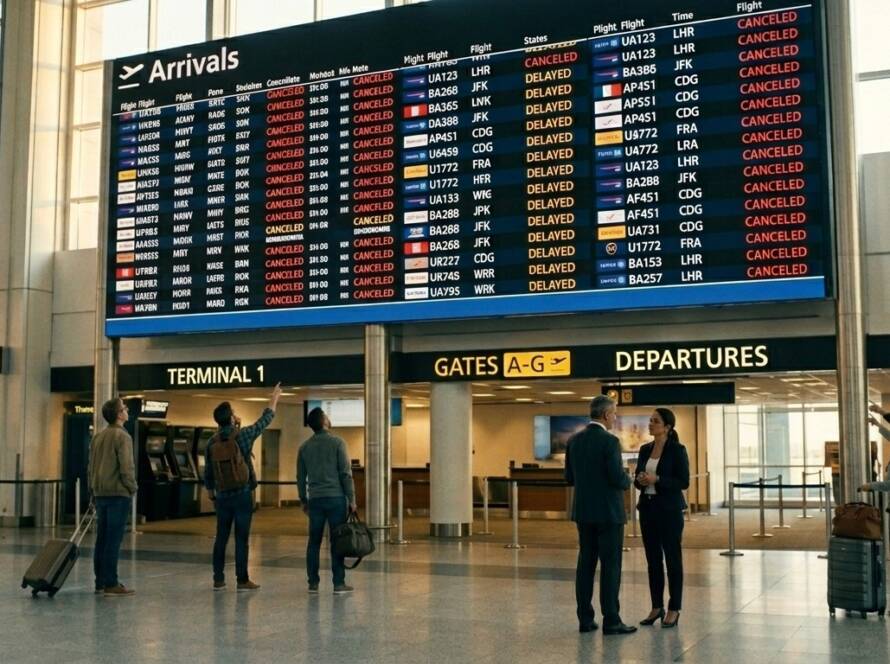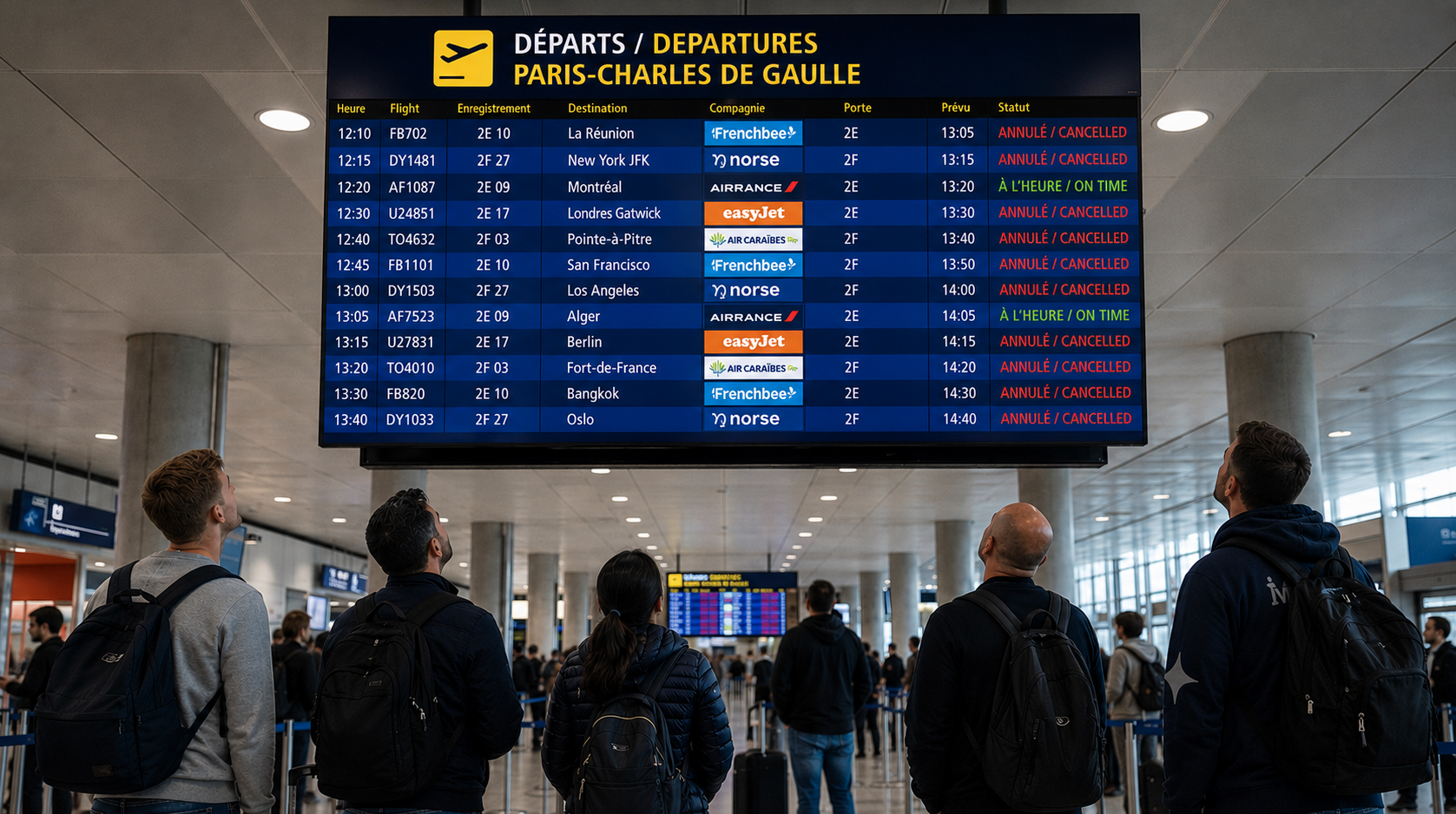
The fare looks too good to pass up. Then the flight gets canceled, the rebooking gets moved, and the refund disappears into a customer service void.
That is the real cost of budget airline risks, and we are in the middle of it right now with an upcoming flight from LAX to CDG, the kind of direct transatlantic route we book all the time since we started splitting our life between Paris and the Dordogne.
Here is what happened, with the actual numbers.
What Actually Happened To Us
One trip, two carriers, and a mess that keeps growing.
We booked a direct flight from LAX to CDG, built around a tight window in the U.S. Last month, Norse Atlantic canceled it. The refund, about $1,500, still has not landed, and every time we follow up we somehow end up further back in line.
So we rebooked on French Bee. Then this week, French Bee moved the date on us. Not by a few hours, but by enough to blow up the shape of the trip.
That kind of change does not sound like much until your trip has no slack. This U.S. run is short, and every single day is already spoken for. When the schedule has zero room, an airline shifting your flight is not a shuffle. It is prepaid plans you have to unwind, commitments that will not move, and a frantic rearrange around a date you never picked.
To be clear, neither of these was a safety problem. They were reliability problems. And reliability is often the first thing to go when you chase the lowest fare.
The Budget Airline Risks Nobody Mentions
A cheap ticket is not cheap if it strands you or moves you. Here is where the math turns on you:
- Thin schedules. Small carriers often fly a route a few times a week, not a few times a day. When your flight drops or shifts, there may be no later one to grab. You take what they give you.
- Few partner airlines. Legacy carriers can often put you on another airline when things go wrong. Budget airlines usually cannot, or will not, so you may end up buying a new ticket yourself at last-minute prices.
- Slow refunds. Your money can take longer to come back than it should. Meanwhile, you have already paid for the replacement plan.
- Thin customer service. Fewer people, longer holds, more forms, more waiting.
Whatever you saved up front can disappear the second one thing breaks.
What The Refund Rules Say
For flights to, from, or within the United States, the U.S. Department of Transportation says passengers can be entitled to a refund when an airline cancels a flight, or makes a significant schedule change, and the passenger does not accept the alternative transportation or compensation offered.
The current DOT rule says refunds owed for credit card purchases should generally be issued within seven business days after the refund becomes due. For other payment methods, the timing is generally 20 calendar days.
That does not mean the process always feels automatic when you are the person waiting for the money. It does mean you should keep the emails, screenshots, booking confirmations, and refund promises in one place, because the paper trail matters when you have to push.
How A Travel Card Helped Limit The Damage
This is the part that gave us options. We had put the ticket on a travel rewards card, a Chase Sapphire card, and that ended up mattering more than the points.
Travel card benefits are not magic, and they are not a blank check for replacement airfare. But they can help when a common carrier delay or covered trip interruption creates extra costs. Chase says Sapphire trip delay reimbursement may cover reasonable expenses like lodging, meals, toiletries, and medication when a covered delay crosses the card’s time threshold. The Sapphire Preferred and Sapphire Reserve guides also describe trip cancellation and interruption coverage for covered, prepaid, nonrefundable travel expenses, subject to the limits and exclusions in the benefit guide.
The details matter. Sapphire Preferred and Sapphire Reserve do not have identical timing thresholds. Covered reasons, claim deadlines, documentation, reimbursement caps, and exclusions all live in the guide for your exact card. Read it before you fly, not after.
The idea is simple: if you are going to fly a smaller carrier to save money, pay with a card that gives you some protection when the carrier does not.
If You Still Want The Cheap Fare
We are not telling you to never fly budget. We are telling you to go in with your eyes open. Before you book a small or discount carrier on a long-haul route:
- Pay with a travel card that includes trip delay, cancellation, or interruption protection.
- Do not book a budget flight around a trip with no wiggle room. If your days are packed, give yourself a buffer day on each end.
- Screenshot the schedule, fare rules, and any refund promise the moment you book.
- Do not prepay nonrefundable hotels, trains, or plans that hang on one budget flight.
- If the dates truly cannot move, pay up for a legacy carrier with a big network so they can rebook you faster.
FAQ
Are budget airlines safe to fly?
Safety and reliability are not the same thing. The real issue with budget carriers is usually reliability: canceled or rescheduled flights, slow refunds, and limited ways to rebook you. That is different from safety.
What happens if a budget airline cancels my flight?
You may be offered a refund or a later flight, but small carriers often have fewer rebooking options. If the flight is to, from, or within the U.S. and you do not accept the alternative offered, DOT rules can require a refund when the airline cancels or significantly changes the flight.
How long do airline refunds take?
Under current DOT rules, refunds owed for credit card purchases should generally be issued within seven business days after the refund becomes due. For other payment methods, the timing is generally 20 calendar days. In real life, you still want a paper trail.
Does a Chase Sapphire card cover canceled or delayed flights?
Chase Sapphire cards can include trip delay reimbursement and trip cancellation or interruption insurance, but the details depend on the exact card and the reason for the disruption. Trip delay reimbursement is usually about reasonable expenses during a covered delay, not automatically paying for any replacement flight you buy.
Should I avoid French Bee or Norse Atlantic?
Not necessarily. The fares can be great. Just build in buffer time, pay with a card that protects you, and do not plan anything you cannot move around a single flight.
One Last Thing
The cheap fare is hard to resist, especially when you are crossing the Atlantic as often as we are. Just know that the price on the screen is not always the price you pay.
Sorting out budget airline risks before you book is the difference between a smooth trip and a schedule change with a $1,500 hole in your account.
Book smart, pack a buffer day, and put it on the right card.