
The garden is catching up. The tiller is in the barn, seedlings are ready to go in the ground, and we’re closing in on the end of planting season. Cold nights already moved the plan around once, so we’re keeping it simple: tomatoes, basil, and a lot of chili peppers in the ground before the real heat hits in a few weeks.
The chicken coop is ordered. Now we’re figuring out how many to start with and where to source them locally. (If you have opinions on this, we want to hear them.)
The bees arrive in two to three weeks. I kept bees years ago, so some of this is memory, some of it is starting over. A French supplier, a French climate, and a French landscape make it feel close enough to new that we don’t assume anything. We’ll be filming all of it.
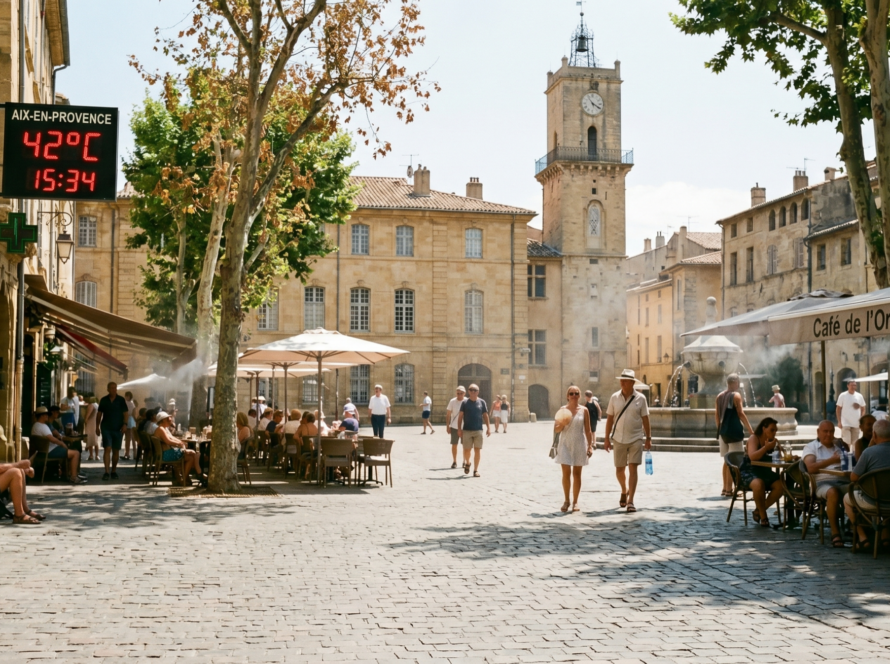
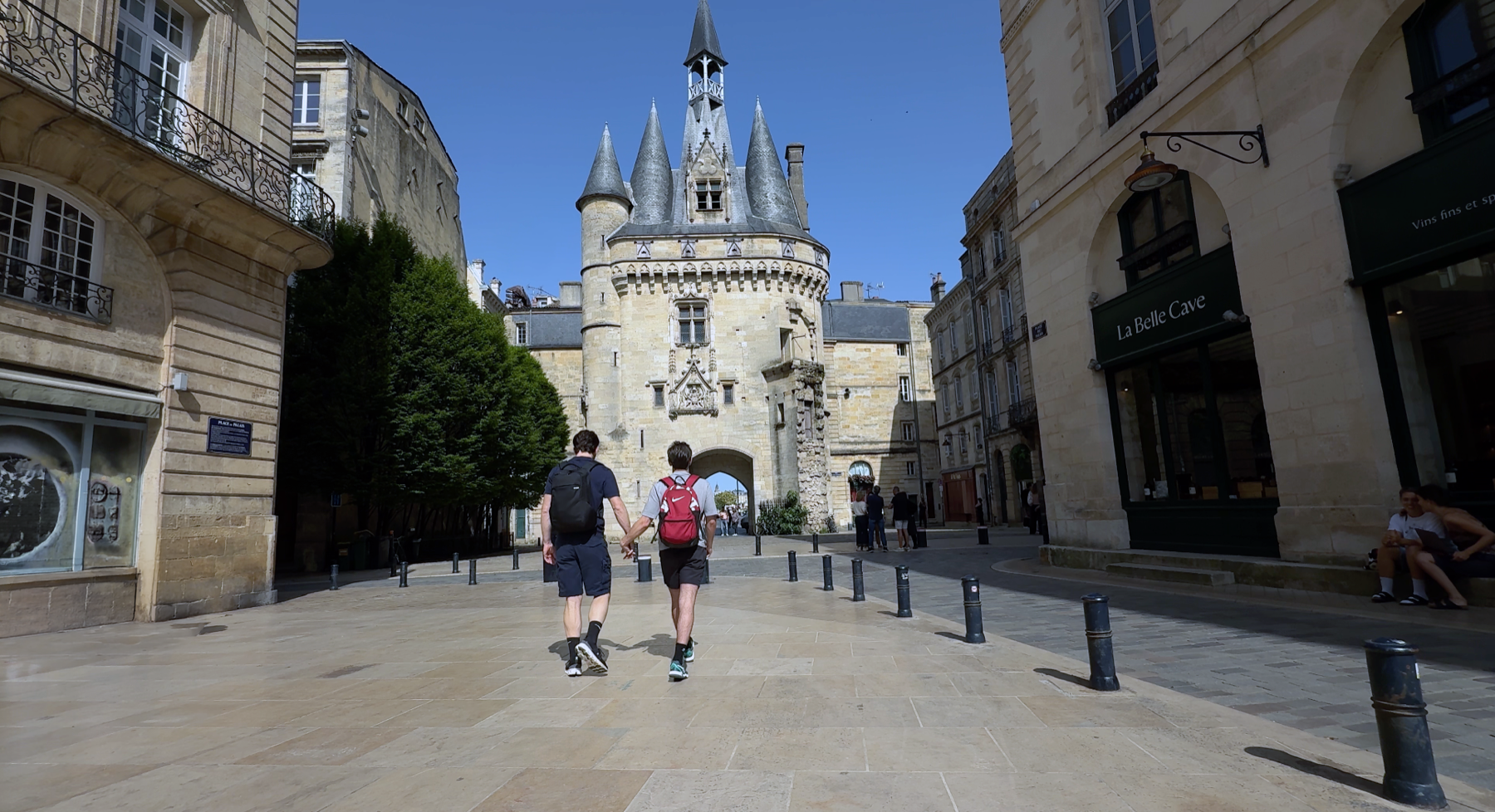
Beyond the farm: more friends in the gîte this summer, proper Saturday mornings in the villages around us instead of just driving through, and Paris at least one weekend a month with those long summer evenings that don’t go dark until 10pm.
Your Summer Flight to France Is Already a Problem
If you’re flying to or from Europe this summer, pay attention now. The conflict in Iran is disrupting travel, and the fallout is landing directly on everyday travelers.
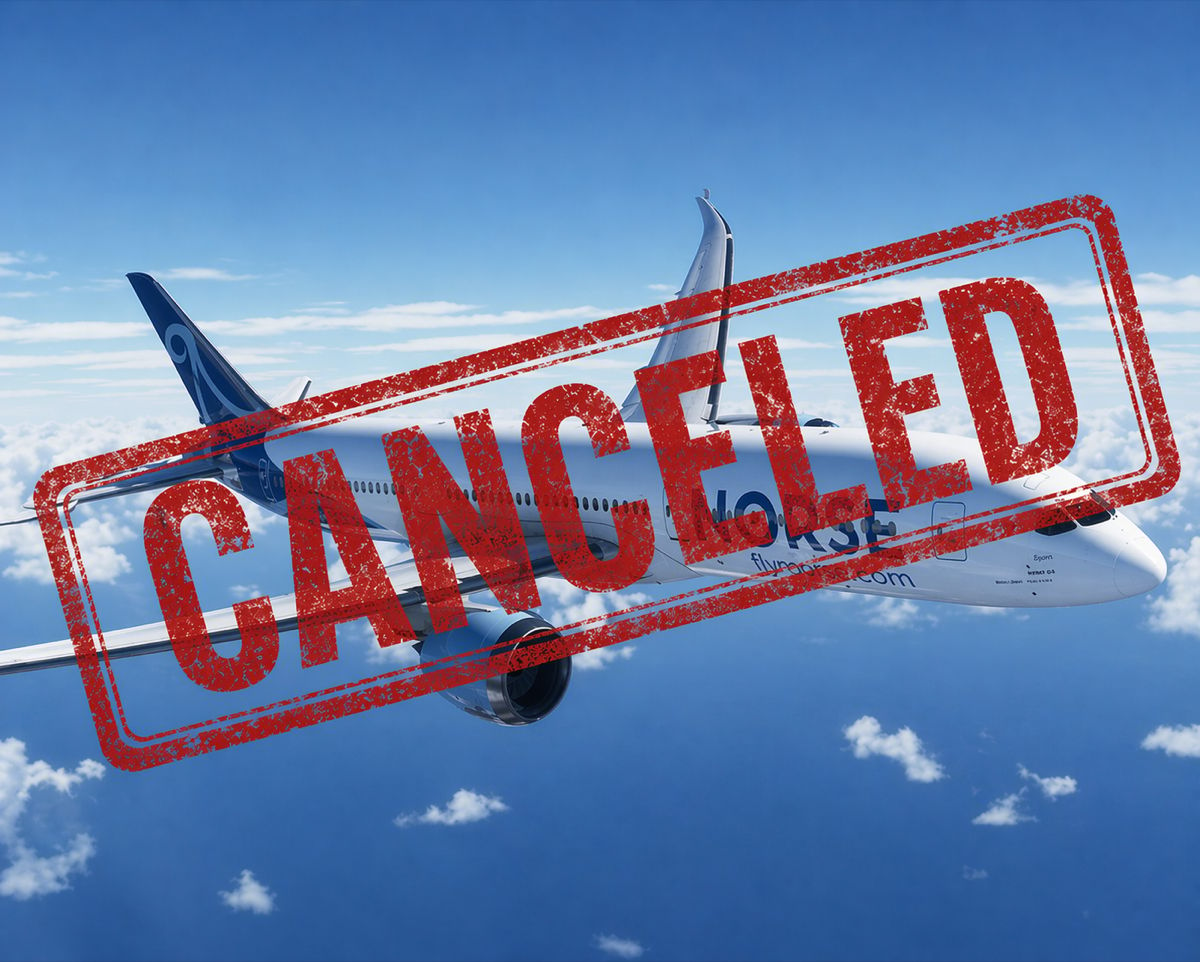
Our first casualty: Norse Atlantic pulled our upcoming flight, and the entire CDG to LAX route is now gone from the airline’s map. No refund. They offered options (rebooking, credit, alternative routing), but support around those options is thin. That’s the tradeoff with a budget long-haul carrier. When things go as planned, the price is right. When it goes sideways, you’re mostly on your own.
Here’s what’s driving it. Jet fuel has roughly doubled, from about $99 a barrel to over $200 a barrel. Airlines are passing that straight through as fuel surcharges. Routes are being pulled. Fares are climbing. Checked bag fees are going up. Travelers shifting away from the Middle East are landing in Europe instead, which means France, already a crowded summer destination, will feel busier and cost more to reach.
What we’re doing, and what we’d recommend: book with a legacy carrier on long-haul (Air France, Delta, United, British Airways, American Airlines), because network coverage is the real insurance policy this summer. Book earlier rather than waiting for a deal. Stay flexible on airports (Orly instead of CDG, Bordeaux or Toulouse instead of Paris when the math works). Take the train for anything under six hours inside Europe. The TGV is faster, more reliable, and completely insulated from jet fuel pricing. Build a buffer day on each end, skip the tight connection, and assume one disruption per trip.
If you’re flying to France this summer, check your booking this week. Norse will not be the last route to disappear. If your flight has already been canceled, we put together a guide on what to do.
The 5 Best Things to Do in Paris This Spring and Summer
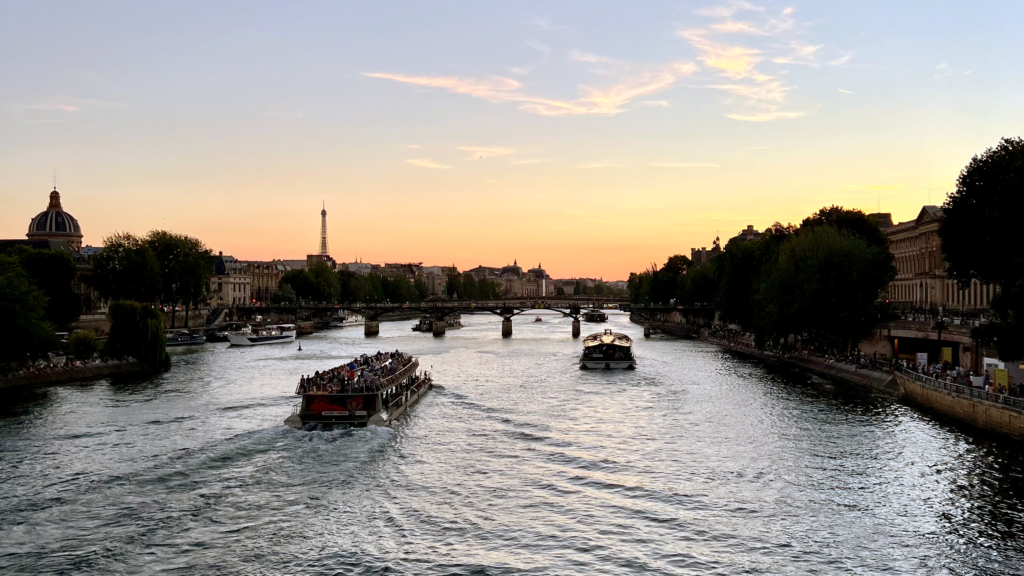
Paris gets loud and expensive in summer. Most locals have their escape to the countryside well planned before August. June and July are a different story. The days stretch past 10pm, and the whole city takes advantage of it.
- Bastille Day (July 14). The fireworks run up and down the tower itself. It’s genuinely one of the best displays you’ll find anywhere. Get to the Champ de Mars early and bring food.
- Rooftop bars at sunset. The Hôtel Dame des Arts rooftop requires a reservation. Book it around the time the Eiffel Tower sparkles. While you’re at it, go up the Arc de Triomphe once: the view down the Champs Élysées is hard to beat.
- Jardin du Luxembourg. Grab a green chair at the Medici Fountains and let the afternoon go. It stays cooler than most of the city. Kids can rent toy boats on the main fountain for a few euros.
- Marché d’Aligre. Near Bastille, every day except Monday. Sundays are best for antiques. The adjacent Bastille market runs on Thursdays and Sundays from 8 am. Thursdays are cheaper and less crowded.
- Seine River Cruise. The Batobus doubles as transportation. A 24-hour pass is 23 euros for adults, 13 euros for kids 4 to 11. Hop on and off at Notre Dame, the Louver, and the Musée d’Orsay.
Pro tip: August is when Paris closes. June or early July is the best window for a visit to France.
Four French Laws That Made Us Stop and Reread

You learn a country’s values through its laws. A few here have genuinely surprised us.
- Hedge trimming. In France, you can’t trim hedges on agricultural or public land between March 16 and August 15. Birds apparently have more legal protection than most people here. I’m in favor of it.
- Car washing. Washing your car at home can get you fined up to €450 (about $490). If detergent actually reaches a waterway, you’re looking at two years in prison and €75,000 (about $81,000). Extreme, but it makes sense given France’s water quality standards.
- Filming a crash. Using your phone while driving gets you a €135 (about $145) fine and three points off your license. 103 people learned this the hard way when they slowed down to film a burning lorry, creating a 19-mile traffic jam in the process.
- Reward speed cameras. Some French communes have installed speed cameras that turn traffic lights green if you’re under the limit and red if you’re speeding. Less a law, more a very polite mechanical guilt trip.
- Inheritance. No matter how estranged you are from your children, French law guarantees them an equal share of your estate. The only exception is if they actually killed you, which seems like the bare minimum bar to clear.
- The Eiffel Tower at night. The light show is classified as a copyrighted artistic work, meaning that the photo you posted to Instagram from your Paris trip is technically illegal to distribute. A rule approximately zero tourists know about, and millions violate daily.
There’s a quiet stretch here, usually somewhere between dinner and dark, when the light turns amber, and nothing asks anything of you. That’s the part of summer in France I didn’t expect to love this much. Not the travel, not the food. The long, slow end of the day.